
Structured learning. Real results

How LumiKnow Develops University-Ready Students

Diagnose
Every student is assigned:
1) Subject Teacher(s) (Concept Mastery)
2) An Academic Permformance Mentor ( Exam Discipline & Structure)
Before starting the progression, we first identify key areas that may affect learning. This includes recognizing conceptual gaps, understanding weaknesses in applying knowledge during exams, observing existing learning habits, and evaluating focus and consistency levels. By assessing these factors early on, the instruction can be tailored to the learner’s specific needs, ensuring it is precise and targeted rather than generic.
Structure
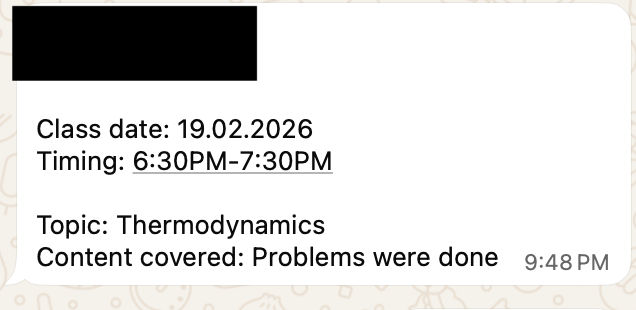
After every session, a structured summary is shared to reinforce the key concepts covered. Notes and revision sheets are uploaded to the LMS for easy access and review, and reinforcement tasks are assigned to strengthen understanding. This process ensures that learning is properly consolidated and retained, rather than being forgotten over time.

Calibrate
Every week, knowledge-based MCQ assessments are conducted, along with skill-based quizzes that evaluate analytical thinking. These assessments help build concept recall accuracy, improve speed under objective exam pressure, and strengthen structured problem-solving skills. As a result, students do not rely solely on last-minute revision before exams but remain academically sharp and consistently engaged throughout the year.


Condition
The LumiKnow Fusion Test is a one-hour, exam-style assessment conducted every month, with increased frequency before major exams. It is designed to simulate real exam pressure and prepare students for high-stakes situations. Through this test, students are trained to apply concepts effectively within time constraints, manage their answer structure, maintain composure, and avoid careless errors. This approach ensures that understanding is not limited to theory but is transformed into strong academic performance.


Analyse
Every week, students receive a detailed performance breakdown that highlights their strengths and identifies conceptual gaps. Their error patterns are analyzed, and a targeted improvement strategy is provided to address specific weaknesses. Progress is carefully tracked rather than assumed, ensuring that improvement is measurable and continuous. Through this process, students learn to reflect on their own work, analyze their mistakes independently, and proactively adjust their strategies, ultimately building strong academic maturity.


